Welcome to the Polished Owl Blog! I will use this space to share reflections and updates on my work. You will learn more about me and what I am reflecting on as I start this new venture.

What does it mean to be “good”?
What does it mean to be good at something? How do you know? Today I explore different perspectives on the answers to these questions, to help instructors and students think about developing a shared understanding of success.

Teaching in turbulent times
I was planning to end the year with my take on grading and assessment. It’s been so much in the news this fall, with Harvard’s grading report, too many As, not enough rigor! And now it’s finals season; many instructors and TAs are out there trying to get their grades in. But I was so shaken up by the events of the weekend, especially the shooting at Brown, which hit so close to home. As the Brown community was sheltering in place, I was reflecting on the events we’ve had to handle over the years.

Advice for campus visits
A friend and former colleague I’ve been meeting with regularly just landed a great job, and she wrote to thank me for my support and share how helpful I was! One of my favorite parts of my work is getting the chance to work with and learn from so many brilliant people, and it’s even better when I can contribute to their success.
Landing a campus visit is exciting, but it can also feel like so much pressure: I have made it this far, how can I get to the next step!? What if I don’t? Channel your nerves into excitement, do your best, and be yourself. Read my guidance to feel as calm and prepared as possible to set yourself up for success.

Find your voice
Throughout my career, I have specialized in helping scholars find their voices in every sense of that phrase, whether they were honing their English language skills, figuring out how to talk about their research, or standing on a stage to speak with power and conviction.
What does it mean to develop your voice? How can we keep working on it, especially during the age of AI?

Thankful
It’s Thanksgiving week, a season with an extra focus on gratitude. Call your mom! Text a friend you miss. Send your mentor a card. Thank a teacher. You may think they know how you feel, but it’s always good to name it, and these connections can become even stronger. Being connected and grateful for what you have seems like the best fortification against the hard things life may throw at you. There are many rituals that can help you stay in touch with what you appreciate, whether you meditate, say some form of grace before a meal, or if you, like me, have a tradition of saying what you are thankful for during Thanksgiving dinner.

What’s your headline?
What makes you famous? If you are working on getting a job or communicating your value for fellowships or other audiences, chances are you are getting tips on your “brand,” or trying to write the perfect tagline for LinkedIn. Boiling your dissertation or many years of experience down to a few words might feel too hard, or overly simplistic, or even trivial, but this skill of distilling your contribution is useful for both you and your audience.
If you had to describe your approach or contribution in five words, what would they be? Here I tell you my words and how I found them.
Failing Successfully
I’ve been thinking a lot about what it means to be successful lately. But what does it mean to fail? Especially during this season of so many layoffs and people trying and failing to get jobs, we’re supposed to think about how to learn from these events and stay positive to move forward. Fail your way to success! It was either that or a broken plate for today’s image, but I am trying to be optimistic.

Mentoring
This weekend I reviewed all the Polished Owl materials and wanted to make sure my audience knows about all the great resources available!
Did you know that I have a great guide on Mentoring, written by one of my best friends and smartest colleagues Adam Beaver? Whether you are a student navigating your relationship with your advisor, a faculty member or scholar mentoring students, or even a parent worrying about this aspect of your responsibility to your kids, this guide can help you think about how to make any mentoring relationship rewarding and productive. As I was reading this again, it hit me (again) how many parallels there are with good practices, whether you are teaching, advising, or leading in any way.

Growth Mindset
I was raised with a fixed mindset. I think everyone of my generation was. You were either “good” or “bad” at school. I guess it was good in that system that I was good, but it meant that anytime things were even a little challenging for me, I thought something was wrong. In contrast, a growth mindset, or the belief that abilities and intelligence can be developed through effort and persistence, has been part of my kids’ education from the beginning. I remember going to the first school open house and seeing it on display everywhere. They had a poster on the wall that said “I can’t do it YET.”
How do you think about mindset? How do you decide where to focus your energies to become your best self? Read more.
Get it done
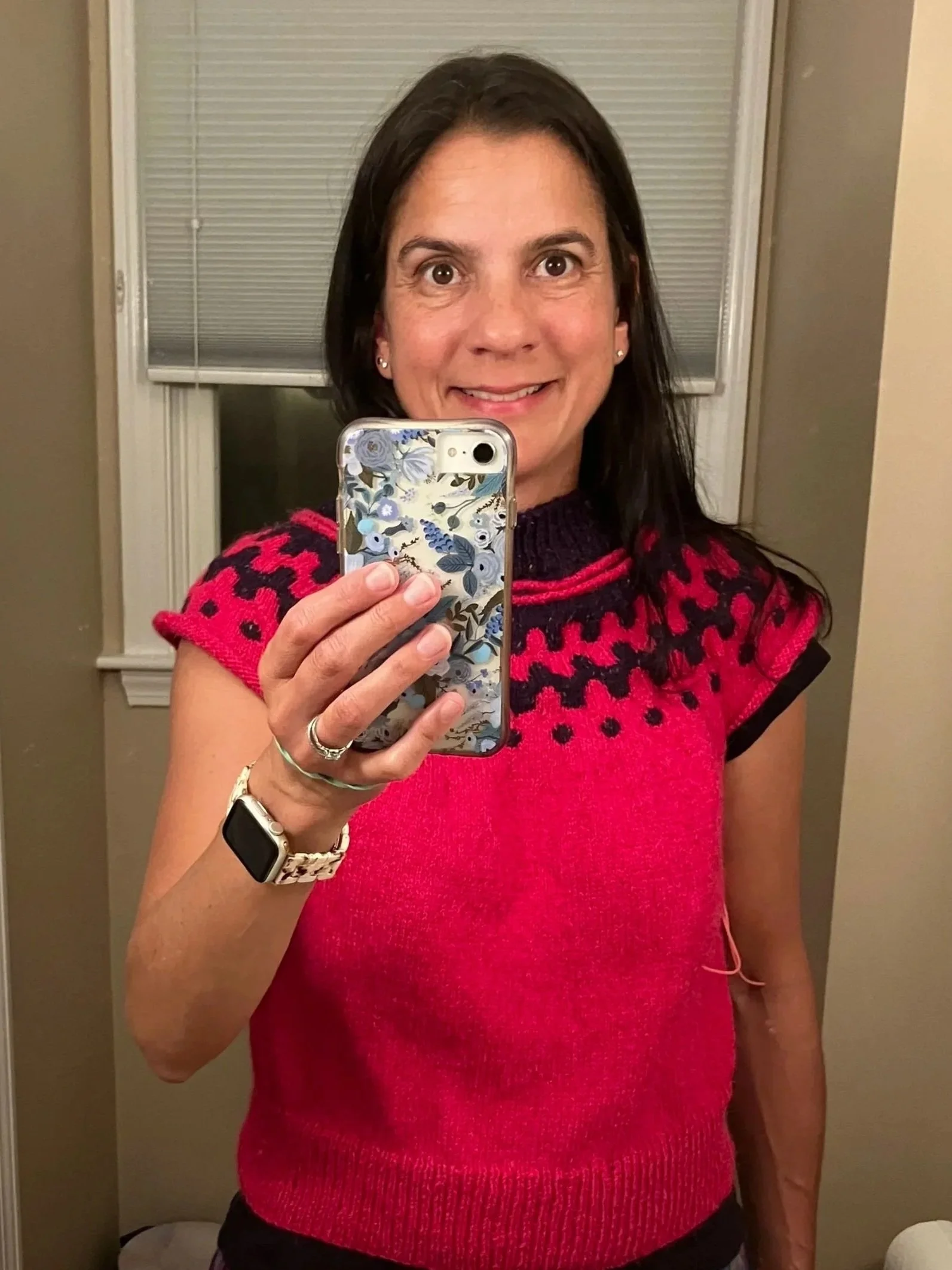
I am good at getting things done. When I asked great colleagues about my strengths for an upcoming workshop I’m attending, it came back pretty clearly as a theme. As one said so nicely, “You are able to take the vision you have, map out a plan, and work towards it. I feel like a lot of people talk about what needs to be done and you get it done.”
Yes, I can do things! Here I explore three important complications to this value of getting things done: in some cases, things actually aren’t worth finishing, getting it done is not more important than the process, and sometimes you can’t do things because you don’t have the opportunity.

Engaged Communication
I pride myself on my ability to help students get in touch with their own inner voice. I have coached hundreds of scholars on teaching, presenting their research, interviewing, impromptu speaking, you name it. Given my experience, you might expect that engaged communication comes naturally to me. Alas, in this year of change I have realized that helping others do hard things is way easier than doing them myself! I have had a few interviews recently, and I am here to tell you, it is humbling. Read more about engaged communication and what I am learning.
Transferable skills + Leadership as teaching
How can what you learned from your academic work and other jobs you’ve had transfer to jobs you would like to have now? Learn more about how to take stock of your transferable skills, and how developing your teaching skills prepares you to be a leader.

Mistakes
My kids love baseball. I love watching them play, and watching MLB games with them. It makes me think about so many things, like how we learn, how we perform and show up mentally, how we manage setbacks, and what it means to be successful. Crazy things happened in both baseball games I watched on Saturday. What we can learn from baseball about high-stakes moments and how to handle mistakes?